
Atlassian Jira Software: A Comprehensive Overview
Atlassian Jira Software is a popular project management tool that is widely used by software development teams. It is a powerful and flexible platform that allows teams to plan, track, and manage their work in an efficient and effective manner. With Jira, teams can easily collaborate and communicate with each other, ensuring that everyone is on the same page and working towards the same goals.

One of the key features of Jira is its ability to track issues and bugs. This allows teams to quickly identify and resolve any problems that arise during the development process, ensuring that the final product is of the highest quality. Jira also provides a range of reporting and analytics tools, allowing teams to monitor their progress and identify areas for improvement.
Overall, Atlassian Jira Software is an essential tool for any software development team. Its powerful features and intuitive interface make it easy to use, while its flexibility allows teams to customize it to their specific needs. Whether you are a small startup or a large enterprise, Jira can help you streamline your development process and deliver better products faster.
Overview of Atlassian Jira Software

Atlassian Jira Software is a popular project management tool used by teams of all sizes to plan, track, and release software. It offers a wide range of features and integrations, making it a versatile and customizable solution for various industries.
One of the key features of Jira Software is its ability to create and manage issues. Users can create custom issue types, prioritize them, and assign them to team members. Jira Software also allows users to track the progress of issues and view detailed reports on project status.
Jira Software also offers agile project management capabilities, including support for Scrum and Kanban methodologies. Users can create and manage sprints, backlogs, and boards, and track progress using burndown charts and other metrics.
In addition, Jira Software integrates with a wide range of third-party tools and services, including development tools like GitHub and Bitbucket, communication tools like Slack and Microsoft Teams, and automation tools like Zapier and IFTTT. This makes it easy to customize Jira Software to fit the specific needs of any team or organization.
Overall, Atlassian Jira Software is a powerful and flexible project management solution that can help teams of all sizes collaborate more effectively and deliver high-quality software on time and on budget.
Getting Started with Jira

Installation and Setup
To get started with Jira, the first step is to install and set it up. Jira offers both cloud and server versions, and the installation process varies depending on the version you choose.
For the cloud version, there is no installation required. Users can simply sign up for a Jira account and start using it right away. On the other hand, the server version requires downloading and installing the software on a server.
Once the installation is complete, users can set up their Jira instance by creating an admin account and configuring the necessary settings such as email notifications and user permissions.
Creating Your First Project
After setting up Jira, users can create their first project. Projects are used to organize work and can be customized to fit the needs of the team. To create a project, users can click on the "Create Project" button and select a project template or create a custom project.
Once the project is created, users can add issues to the project. Issues are used to track work and can be customized with fields such as priority, status, and assignee. Users can also create custom fields to fit the specific needs of the project.
Understanding the Interface
The Jira interface can be overwhelming at first, but with a little bit of practice, it becomes easier to navigate. The interface is divided into several sections such as the navigation bar, the project sidebar, and the issue view.
The navigation bar allows users to switch between different Jira applications such as Jira Software, Jira Service Desk, and Jira Core. The project sidebar displays a list of projects and allows users to navigate to different projects. The issue view displays detailed information about a specific issue, including its status, assignee, and comments.
In conclusion, Jira is a powerful tool for managing projects and tracking work. By following the steps outlined in this section, users can get started with Jira and begin organizing their work more efficiently.
Jira Project Management
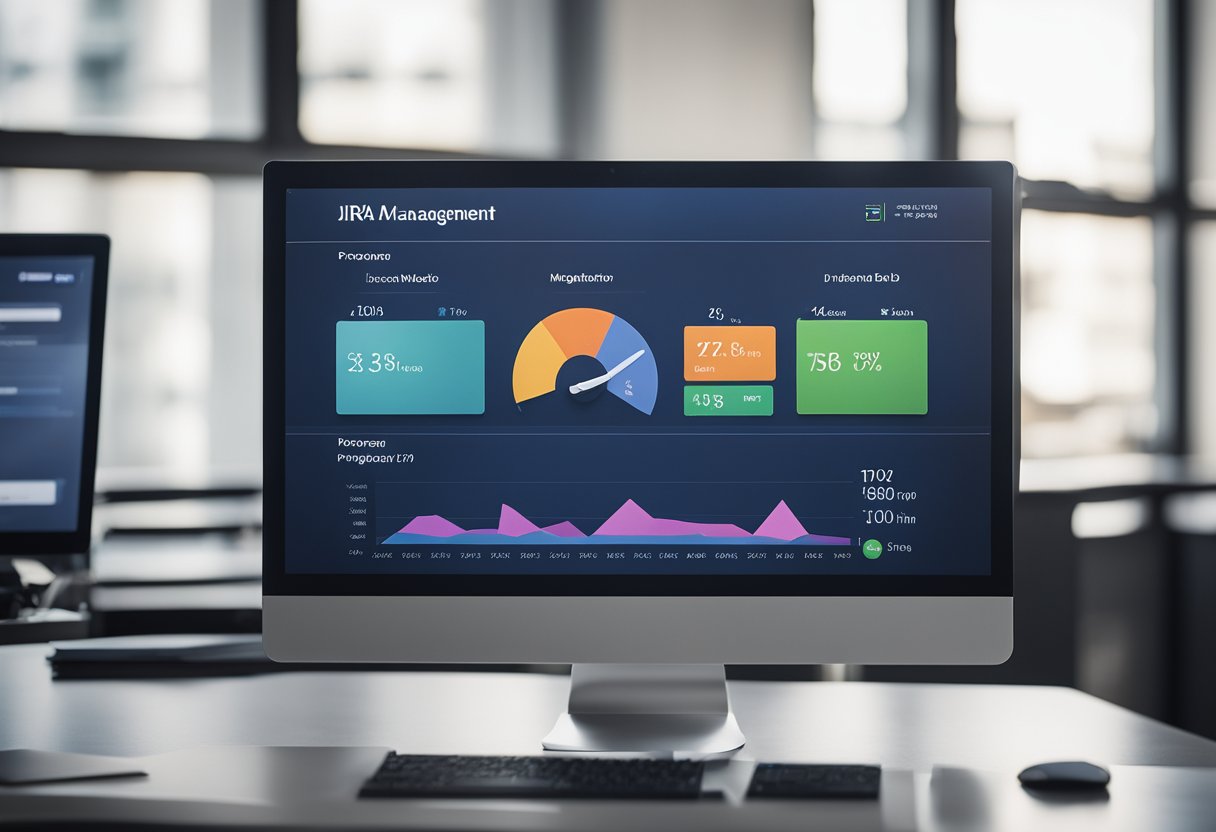
Jira is a popular project management tool used by teams to track and manage their work. It is a highly customizable tool that allows teams to create their own workflows, issue types, and project configurations to fit their specific needs. In this section, we will take a closer look at Jira's project management capabilities.
Project Configurations
In Jira, project configurations allow teams to customize the settings and features of their projects. This includes things like project name, description, project lead, and project category. Jira also allows teams to configure project permissions, issue security, and notifications. With project configurations, teams can create a project that fits their unique needs and requirements.
Issue Types and Workflows
Jira's issue types and workflows allow teams to track and manage their work in a structured way. Issue types are customizable and can be used to track anything from bugs to feature requests. Workflows define the steps that an issue goes through from creation to resolution. Teams can create their own workflows or use one of Jira's pre-built workflows. Workflows can also be customized to include approvals, transitions, and conditions.
Components and Versions
Components and versions in Jira allow teams to organize their work into manageable pieces. Components are used to group related issues together, while versions are used to track the progress of a release. Teams can create their own components and versions to fit their specific needs. Jira also allows teams to link issues to components and versions, making it easy to track progress and identify issues.
Overall, Jira's project management capabilities are highly customizable and flexible. With project configurations, issue types and workflows, and components and versions, teams can create a project that fits their unique needs and requirements.
Issue Tracking and Reporting

Atlassian Jira Software provides a robust issue tracking and reporting system that enables teams to efficiently manage their projects. The software allows users to create and manage issues, search and filter through them, and generate custom reports.
Creating and Managing Issues
Creating and managing issues in Jira Software is a simple process. Users can create issues by selecting the "Create" button and filling out the necessary fields. The software allows users to assign issues to specific team members, set due dates, and add comments and attachments. Additionally, users can track the status of issues and update them as necessary.
Search and Filters
Jira Software's search and filter capabilities make it easy for users to find the information they need. The software allows users to search for issues using a variety of criteria, including keywords, issue types, and assignees. Users can also save their search criteria for future use.
Dashboards and Reporting
Jira Software's dashboards and reporting features provide users with a comprehensive view of their project's progress. The software allows users to create custom dashboards that display key performance indicators, such as the number of open issues and the status of completed tasks. Additionally, users can generate custom reports that provide detailed information about their project's progress, including the number of issues resolved and the time it takes to complete tasks.
Overall, Jira Software's issue tracking and reporting capabilities make it an ideal tool for teams looking to streamline their project management processes. With its intuitive interface and robust features, Jira Software helps teams stay organized and focused on their goals.
Jira Software Features

Jira Software is a popular project management tool that offers several features to help teams plan, track, and manage their work efficiently. In this section, we will explore some of the key features of Jira Software.
Boards (Scrum and Kanban)
Jira Software provides two types of boards: Scrum and Kanban. Scrum boards are used for projects that follow the Scrum framework, while Kanban boards are used for projects that follow the Kanban methodology. Both boards provide a visual representation of the project's progress, making it easier for the team to track their work.
Scrum boards in Jira Software allow teams to plan their sprints, create and prioritize user stories, estimate the effort required for each story, and track the progress of each sprint. Kanban boards, on the other hand, allow teams to visualize their workflow, limit work in progress, and optimize their process.
Backlog Grooming
Jira Software allows teams to manage their backlog efficiently. Backlog grooming is the process of reviewing, refining, and prioritizing the items in the backlog, so that the team can work on the most important items first.
Jira Software provides several features to support backlog grooming, such as drag-and-drop prioritization, issue linking, and custom fields. Teams can also use filters and search to find specific items in the backlog.
Sprints and Releases
Jira Software allows teams to plan and manage their sprints and releases effectively. Sprints are time-boxed periods during which the team works on a set of user stories. Releases, on the other hand, are milestones that mark the completion of a set of features or user stories.
Jira Software provides several features to support sprint and release planning, such as sprint and release boards, burndown charts, and velocity reports. These features help teams to track their progress, identify issues, and make data-driven decisions.
In summary, Jira Software provides several features that help teams to plan, track, and manage their work efficiently. With its Scrum and Kanban boards, backlog grooming features, and sprint and release planning tools, Jira Software is a powerful project management tool that can help teams to deliver high-quality work on time.
Customization and Integration

Atlassian Jira Software is highly customizable and integrates with a variety of tools and applications. Here are some of the ways in which the software can be customized and integrated:
Custom Fields and Screens
Jira Software allows users to create custom fields and screens to suit their unique needs. Custom fields can be added to issues to capture additional information, and custom screens can be created to display these fields in a way that makes sense for the user.
Add-ons and Marketplace Apps
Jira Software has a robust marketplace of add-ons and apps that can be used to extend the functionality of the software. These add-ons and apps can be used to integrate Jira Software with other tools and applications, automate workflows, and more.
Connecting to Development Tools
Jira Software integrates with a variety of development tools, including Git, GitHub, Bitbucket, and more. This allows developers to work seamlessly within their preferred development environment while still using Jira Software to manage their work.
Overall, Jira Software's customization and integration capabilities make it a powerful tool for teams looking to streamline their workflows and improve their productivity.
User Management and Permissions
Jira Software provides a robust user management system that allows administrators to manage users and their permissions effectively. This section will cover the three main subsections of user management and permissions in Jira Software: Roles and Groups, Permission Schemes, and Global Permissions.
Roles and Groups
Roles and Groups are used to assign specific permissions to users or groups of users. Jira Software comes with a set of default roles, such as Administrator, Project Administrator, and Developer, which can be modified or deleted as per the organization's requirements. Additionally, custom roles can also be created to meet specific needs.
Groups, on the other hand, are used to group users together for easier management. An administrator can assign permissions to a group, and all the users in that group will inherit those permissions. This feature is especially useful for large organizations with a high number of users.
Permission Schemes
Permission Schemes are used to define which users or groups have access to specific actions or operations in Jira Software. An administrator can create multiple permission schemes, each with a different set of permissions. For example, an administrator can create a permission scheme that allows only project administrators to create new projects, while another permission scheme allows developers to modify issues.
Global Permissions
Global Permissions are used to manage access to Jira Software's global features, such as managing users, groups, and projects. An administrator can assign global permissions to users or groups, allowing them to access these features. By default, the Jira Software Administrator role has all global permissions.
In conclusion, Jira Software's user management and permissions system provides administrators with a powerful tool to manage users and their permissions. By using roles, groups, permission schemes, and global permissions, administrators can ensure that users have access to the right features and operations, while also maintaining security and data integrity.
Best Practices and Tips
Jira software is an incredibly powerful tool that can help teams stay organized and efficient. To ensure that you're getting the most out of Jira, here are some best practices and tips to keep in mind:
-
Use custom fields to track important information: Jira allows you to create custom fields that can be used to track any information that is important to your team. This could include things like priority, complexity, or even customer information. By using custom fields, you can ensure that all of the information you need is easily accessible and searchable within Jira.
-
Keep your workflows simple: While Jira allows for complex workflows, it's important to keep them as simple as possible. This will make it easier for team members to understand what is expected of them and ensure that work is moving through the workflow quickly and efficiently.
-
Use Jira reports to track progress: Jira offers a variety of reports that can be used to track progress and identify areas where improvements can be made. Some useful reports include the burndown chart, velocity chart, and control chart. By using these reports, you can ensure that your team is on track to meet its goals.
-
Use Jira integrations to streamline workflows: Jira offers integrations with a variety of other tools, including Slack, Confluence, and Bitbucket. By using these integrations, you can streamline your workflows and ensure that team members are always up-to-date on the latest information.
-
Make use of Jira automation: Jira offers a powerful automation engine that can be used to automate repetitive tasks and ensure that work is moving through the workflow quickly. By using automation, you can free up team members to focus on more important tasks and ensure that work is always moving forward.
By following these best practices and tips, you can ensure that your team is getting the most out of Jira and that work is moving through the workflow quickly and efficiently.
Advanced Usage and Automation

Automation Rules
Atlassian Jira Software allows users to automate their workflows using automation rules. These rules can help to streamline repetitive tasks, saving time and reducing the risk of errors. Automation rules can be set up to perform actions such as assigning issues to specific team members, updating fields, and sending notifications.
Users can create automation rules using a simple drag-and-drop interface, which allows them to select the trigger, condition, and action for each rule. Users can also create custom automation rules using Jira's built-in scripting language, allowing for even greater flexibility and customization.
Advanced Searching with JQL
Jira's advanced search capabilities are powered by the Jira Query Language (JQL). JQL allows users to search for issues using a wide range of criteria, including issue type, status, assignee, and custom fields. Users can also create complex queries using Boolean operators and parentheses.
Jira's JQL search results can be displayed in a variety of formats, including tables, lists, and charts. Users can also save their JQL queries for future use or share them with other team members.
Workflow Extensions
Jira's workflow extensions allow users to customize their workflows to meet their specific needs. Workflow extensions can be used to add custom statuses, transitions, and validators to workflows, as well as to create custom post-functions that can perform actions such as sending notifications or updating fields.
Jira's workflow extensions are highly customizable, allowing users to create workflows that are tailored to their specific business processes. Users can also create multiple workflows for different issue types or projects, providing even greater flexibility and customization.
Scaling Jira for Your Organization

Jira Software is a powerful tool that can help teams of all sizes manage their projects and workflows. However, as your organization grows, you may find that you need to scale Jira to meet your needs. In this section, we'll explore some ways to scale Jira for your organization.
Data Center vs. Cloud
One of the first decisions you'll need to make when scaling Jira is whether to use Data Center or Cloud. Data Center is a self-hosted solution that offers high availability, performance, and scalability. Cloud, on the other hand, is a fully managed solution that is hosted by Atlassian.
If you have strict security or compliance requirements, or if you need complete control over your infrastructure, Data Center may be the best option for you. If you prefer a fully managed solution that is easy to set up and maintain, Cloud may be the better choice.
Performance Tuning
Regardless of whether you choose Data Center or Cloud, you'll want to optimize Jira's performance to ensure that it can handle your organization's needs. Here are a few tips for performance tuning:
- Use a dedicated database server to improve database performance.
- Increase the JVM heap size to allow Jira to use more memory.
- Enable caching to reduce the number of database queries.
- Use a load balancer to distribute traffic across multiple Jira nodes.
Enterprise Features
Jira offers a number of enterprise features that can help you scale your instance. Some of these features include:
- Advanced user management, including LDAP and Active Directory integration.
- Custom fields and workflows to support your organization's unique needs.
- Integration with other Atlassian products, such as Confluence and Bitbucket.
- Advanced reporting and analytics to help you track progress and identify issues.
By taking advantage of these features, you can customize Jira to meet your organization's specific requirements and scale it to support your growing team.
In conclusion, scaling Jira for your organization requires careful planning and consideration. By choosing the right deployment option, optimizing performance, and leveraging enterprise features, you can ensure that Jira can meet your organization's needs today and in the future.
Frequently Asked Questions
How does Jira support agile project management?
Jira Software is designed to support agile project management methodologies, such as Scrum and Kanban. It provides features like customizable workflows, sprint planning, backlog management, and agile reporting to help teams plan, track, and release software more efficiently. Jira also allows teams to collaborate and communicate in real-time, which is essential for agile development.
What are the key features of Jira Service Management?
Jira Service Management is a service desk software that helps IT teams manage incidents, problems, and changes. It provides features like automation, SLA management, knowledge base, and customer portal to help teams deliver better customer service. Jira Service Management also integrates with Jira Software, which allows teams to collaborate and resolve issues faster.
Can Jira be integrated with other Atlassian products?
Yes, Jira can be integrated with other Atlassian products, such as Confluence, Bitbucket, and Trello. These integrations help teams to streamline their workflows, automate repetitive tasks, and improve collaboration. For example, integrating Jira with Confluence allows teams to create and link issues to Confluence pages, which helps to keep the documentation up-to-date.
What pricing models are available for Jira Software?
Jira Software offers different pricing models, including monthly and annual subscriptions, depending on the number of users. It also provides a free trial period for new users to test the software before purchasing. Additionally, Jira Software offers discounts for academic and non-profit organizations.
How does Jira differ from traditional project management tools?
Jira differs from traditional project management tools in several ways. Firstly, it is designed for agile project management, which focuses on delivering value to customers in short iterations. Secondly, Jira provides features like customizable workflows, boards, and reports, which allow teams to tailor the software to their specific needs. Lastly, Jira provides real-time collaboration and visibility, which helps teams to identify and resolve issues faster.
What are the system requirements for installing Jira?
The system requirements for installing Jira depend on the deployment option chosen by the user. Jira can be installed on-premise, in the cloud, or as a data center. The hardware and software requirements vary depending on the deployment option and the number of users. It is recommended to check the Atlassian documentation for the latest system requirements before installing Jira.
0 Comments